Why “Almost” Matters: Reading Near Misses in Slot Games Without Misleading Yourself
Myth: a near miss means the machine is warming up and a win is coming. Reality: a near miss is simply a losing result that looks close, often presented with eye-catching visuals. Understanding how that gap between feeling and fact works can keep your expectations realistic and your play intentional.
What a Near Miss Is—and What It Isn’t
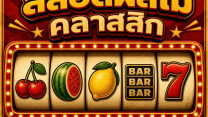
Near miss is a visual description, not a special game state. It’s what players call outcomes that appear almost successful—two jackpot symbols land and the third stops one position above, or the bonus icon shows up on two reels but not the third. The screen makes it look close because it is close in appearance.
It’s easy to confuse near misses with a different concept: “losses disguised as wins.” Those are spins that pay less than your total bet but use celebratory sounds and animations. A near miss, by contrast, pays nothing and simply looks “nearly there.” Both can feel exciting, but they are distinct ideas.
Crucially, a near miss is still a loss. The game’s rules, paytable, and evaluation method determine whether an outcome counts as a win. If the required pattern isn’t met, the result is a non-win regardless of how close it appears on the reels.
Why Near Misses Feel So Powerful
Emotions follow appearances. A display that stops just short of a jackpot resembles situations in everyday life where “almost” can imply progress—like practicing a skill and getting closer to success. In slots, that interpretation doesn’t fit because each spin is independent, yet our brains still react to the visual cue.
Two tendencies push the feeling along. First, humans seek patterns and causes; seeing symbols line up tempts us to infer momentum. Second, “almost” outcomes can heighten arousal and attention, which makes the moment more memorable. That salience can make a session feel full of promise even if the actual results are ordinary variance.
Recognizing that the reaction is psychological—not a signal from the machine—helps separate entertainment value from decision-making.
What Actually Decides Results: Randomness, Not the Display
Outcomes are generated by a random number generator (RNG) that selects a result for each spin. The reels and animations reveal that result; they do not create or steer it. In many regulated markets, independent labs test and certify that game math and randomness meet published standards; GLI Standards are one widely referenced set of technical criteria.
What can change your outcomes over time are structural factors: the paytable, symbol distribution, and how the game evaluates winning combinations. Whether a slot uses paylines, ways, or clusters changes which symbol patterns can score and how often they tend to occur. If you want a quick refresher on how these evaluation methods work, see our guide to lines, ways, and clusters.
Once you press spin, the RNG determines the stop positions according to the game’s math. A spin that “nearly” hits the bonus is no closer to a future bonus than any other non-winning spin. Short-term streaks—of wins, losses, or near misses—are normal volatility, not clues to what comes next.
What Doesn’t Change the Spin
Some elements can feel influential but don’t alter the underlying result chosen by the RNG.
- Near-miss animations, sounds, and slow-downs heighten drama but don’t affect probability.
- Pressing stop or choosing a faster/slower mode changes pacing, not outcomes.
- Recent results—wins, losses, or “almosts”—do not make a future spin more or less likely to win.
These features shape perception and session tempo. They don’t flip a losing combination into a winner, and they don’t move the game toward being “due.”
Practical Takeaways and Safer Play
Treat near misses as part of the show. They add tension and keep attention, but they don’t provide an edge, a forecast, or leverage for the next spin. If you find yourself interpreting “almost” as progress, pause and reset your frame: entertainment now, not expectation for later.
A useful mental check is to compare the short term with the long term. In the short term, you might see several near misses in a few minutes—it’s memorable and can feel meaningful. In the long term, those moments are simply a subset of many non-wins, and they don’t accumulate toward a payout. Keeping that contrast in mind reduces the temptation to chase.
Practical habits help. Set a clear budget before you start and a time limit for the session. If the frequency of near misses is pulling you to continue past your plan, take a break or end the session. If playing stops being fun or you feel pressure to recover losses, step away and consider seeking support in your region. Gambling should stay optional entertainment, not a strategy to make money.
The limitation to remember is straightforward: near misses are presentation, not prediction. Read them as theater—engaging, sometimes thrilling—but not as signals. That distinction keeps expectations grounded and your decisions your own.